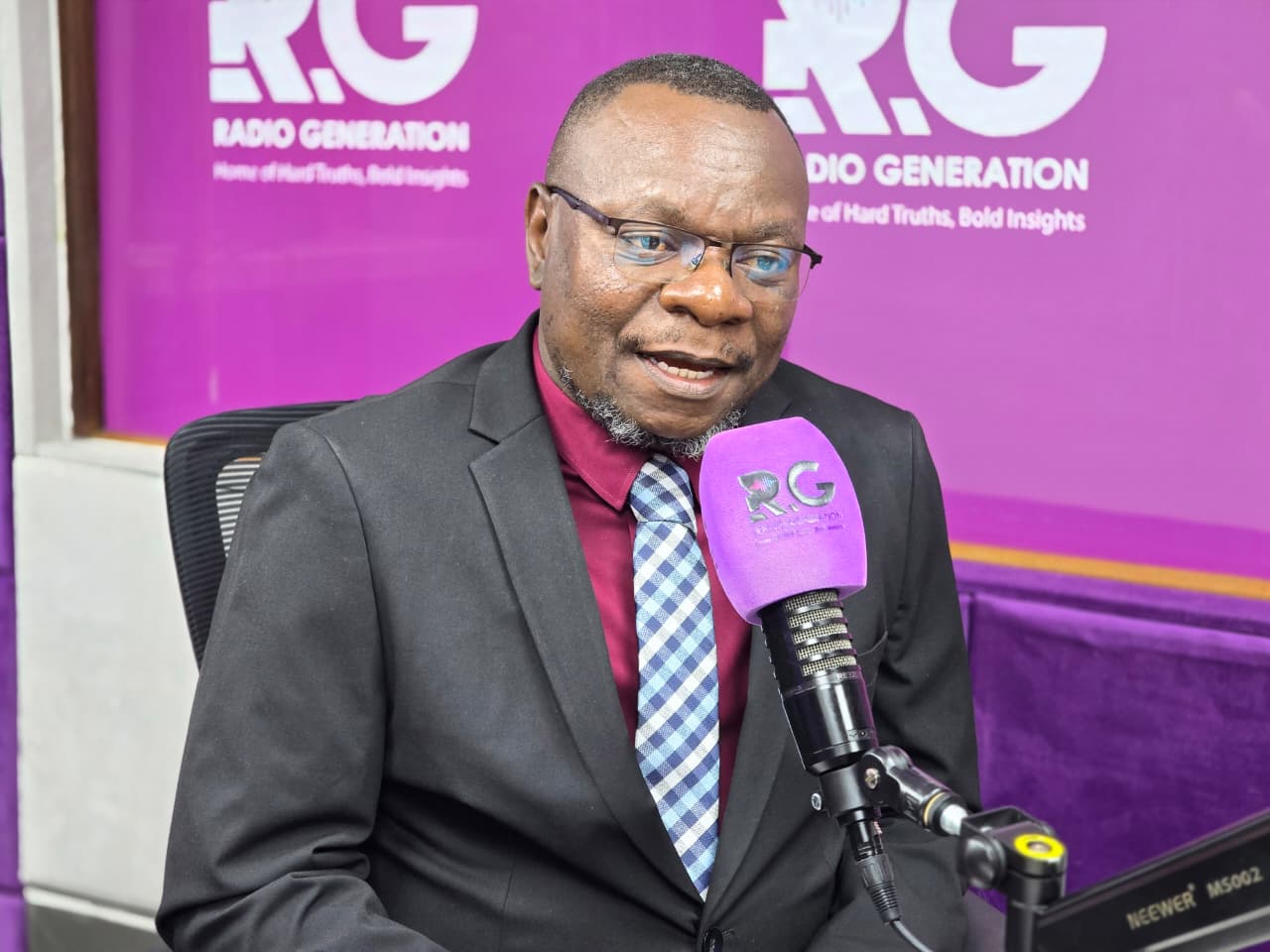
ODM Communications Director Philip Etale has called on the Kenyan government to urgently expand inclusivity in governance, emphasizing that young people, women, persons with disabilities, and minority communities should have meaningful roles in decision-making.
Speaking during an interview on Radio Generation on Thursday, Etale said the frustrations Kenyans face over “high cost of living, poor governance, bad leadership, high-handedness and ethnicity in appointments” are real and must be addressed.
He recalled the 2024 Gen Z protests, which saw thousands of young people take to the streets, as a clear signal of a generation determined to shape Kenya’s future.
“They decided, let us sit together… Can we let this country die? No, let us put it on the right track,” Etale said, describing the protests as a turning point in the country’s political culture.
Etale argued that implementing the recommendations of the Kimani Ichung’wah–Junet Mohamed National Dialogue Committee (NADCO) report fully would help restore public trust in government. “If this report by Kimani Ichung'wah and Junet Mohamed can be implemented to the fullest, I think we’ll be on the right track,” he noted.
The NADCO report, adopted by Parliament in February 2024, recommends constitutional, legal, and policy reforms in five key areas.
These include electoral justice, governance, the cost of living, and the strengthening of state offices and funds. Both the National Assembly and the Senate committed the report’s recommendations to committees for drafting bills, and as of November 2025, NADCO-related bills remain a parliamentary priority.
President William Ruto and the late opposition leader Raila Odinga set up a five-member committee in August 2025 to oversee the implementation of the report’s 10-point agenda.
Co-funded by UDA and ODM, the committee is tasked with providing progress reports to the principals every two months and is expected to present a final report publicly on March 7, 2026. The committee is chaired by Agnes Zani, with Javas Bigambo as deputy, while Fatuma Ibrahim, Kevin Kiarie, and Gabriel Oguda complete the team.
Etale also stressed the need for young leaders to hold senior government positions, praising the appointment of a youthful Cabinet Secretary for Water.
“He represents the Gen Z, very sober, very sane… who actually understands his ministry extremely well,” Etale said, noting that he had seen the CS giving direct instructions to engineers on-site. He also highlighted youth figures like Fikirini Jacobs as examples that should inspire more opportunities for young people.
Beyond youth inclusion, Etale emphasized the importance of integrating persons with disabilities into governance.
“We need persons with disabilities included in government so that we can also participate in building this nation,” he said, noting that Kenya has lacked senior officials with disabilities since a former PS from Western Kenya left office. He added that disability groups have made similar calls during the International Day of Persons with Disabilities.
Etale commended President Ruto for responding quickly to the Gen Z outcry after his meeting with Raila Odinga, saying it showed a willingness to address citizens’ concerns. He expressed optimism that more would be done “to ensure that the youth, the minority, persons with disability, women, are included in government.”
Looking regionally, he cited Namibia as a model, praising its female-dominated leadership, where the president, speaker, vice president, attorney general, and several ministers are women.
“That is what should be replicated in Kenya,” he said.